Why Age Zoning Matters
Children of different ages need different experiences. A toddler, a seven-year-old, and a teenager cannot all use the same environment safely or enjoyably. Age zoning is one of the most important design principles in modern activity park development.
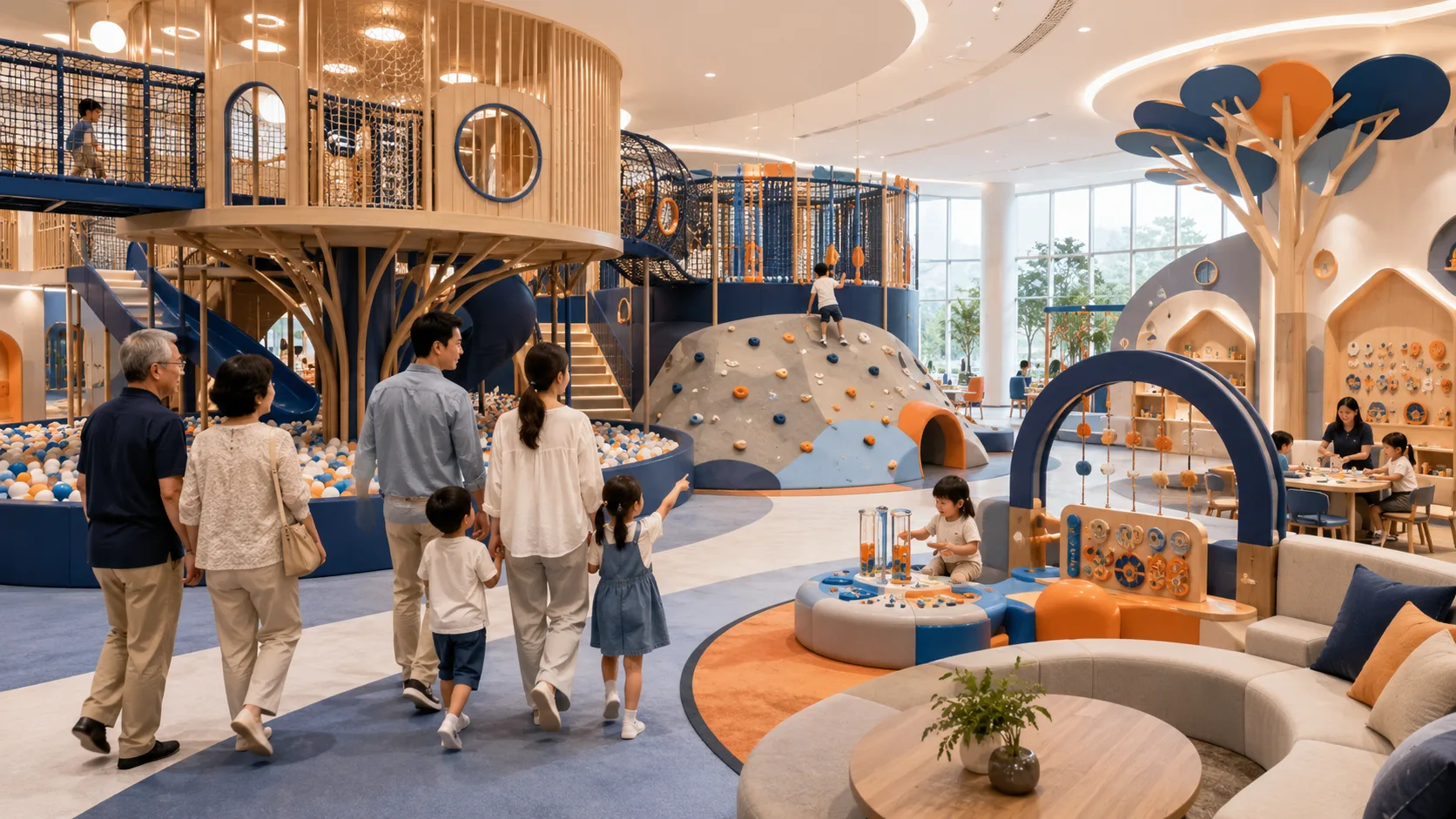
Toddler zones need soft surfaces, low platforms, gentle slopes, and enclosed spaces where small children feel safe. The scale of everything should be appropriate for children under four, and parents need clear sightlines to watch their children.
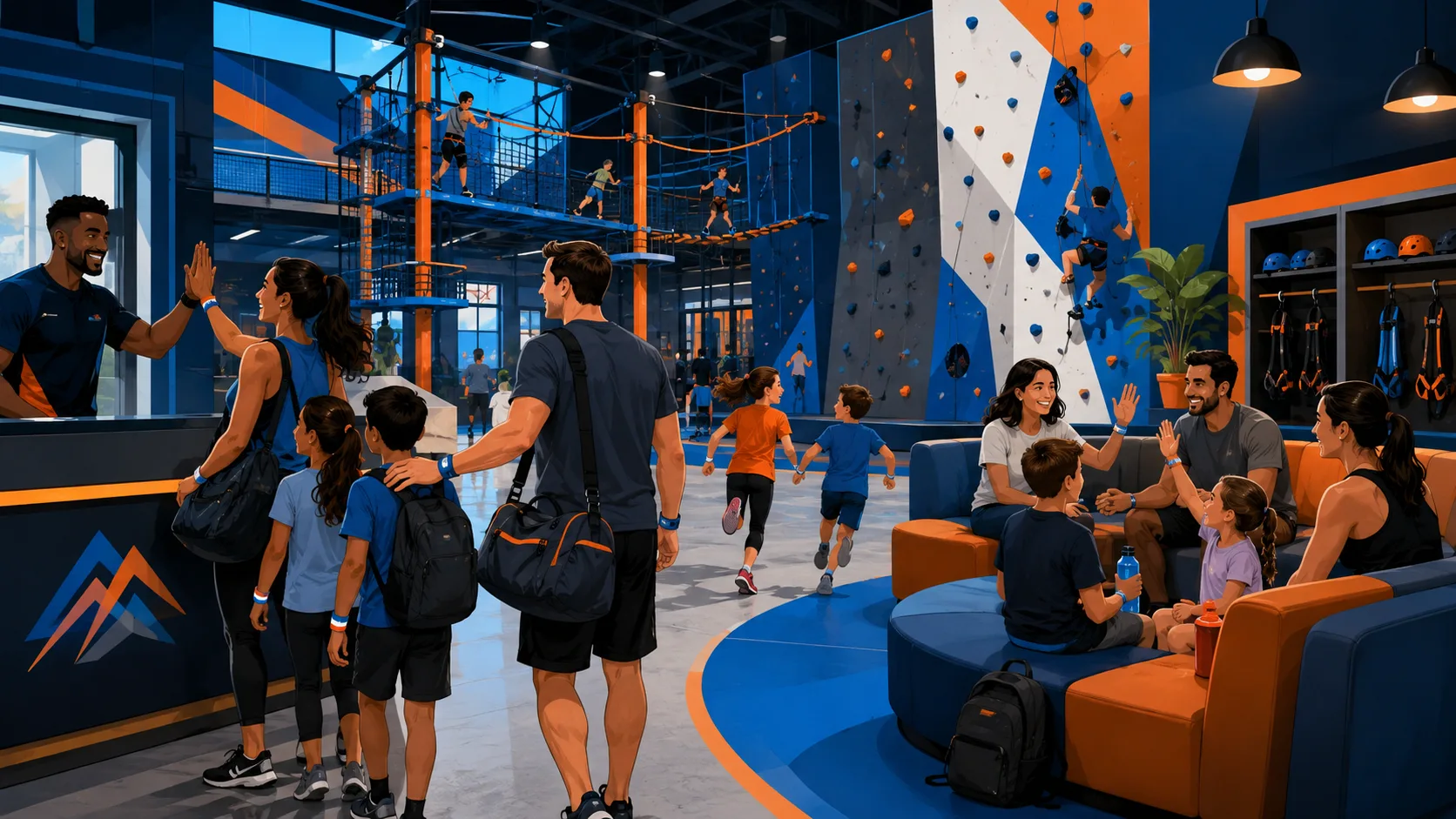
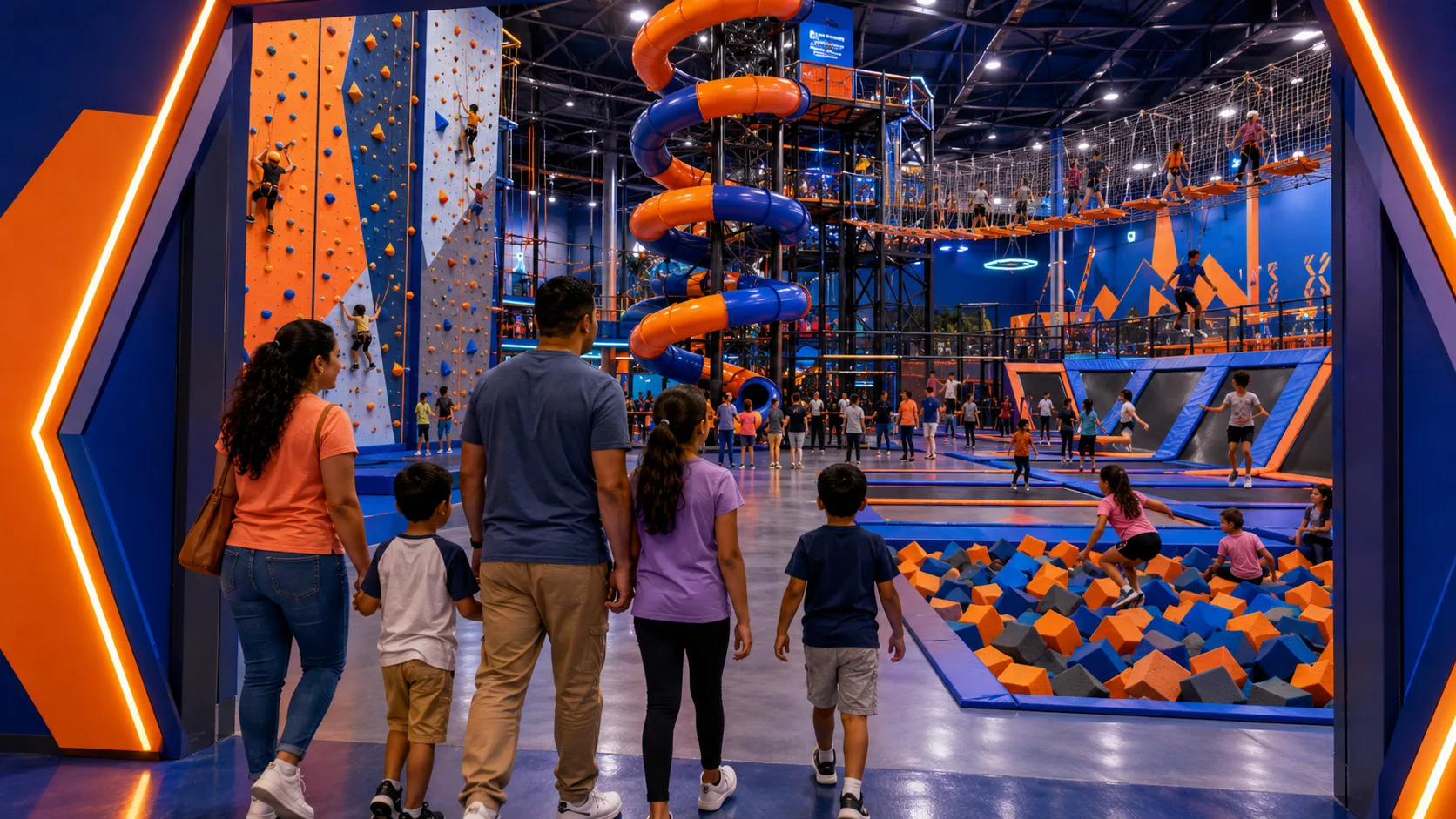
Primary school children need more challenge. Climbing structures, trampolines, obstacle courses, and creative activities at an appropriate difficulty level keep this age group engaged. The design should allow for independence while maintaining safety.
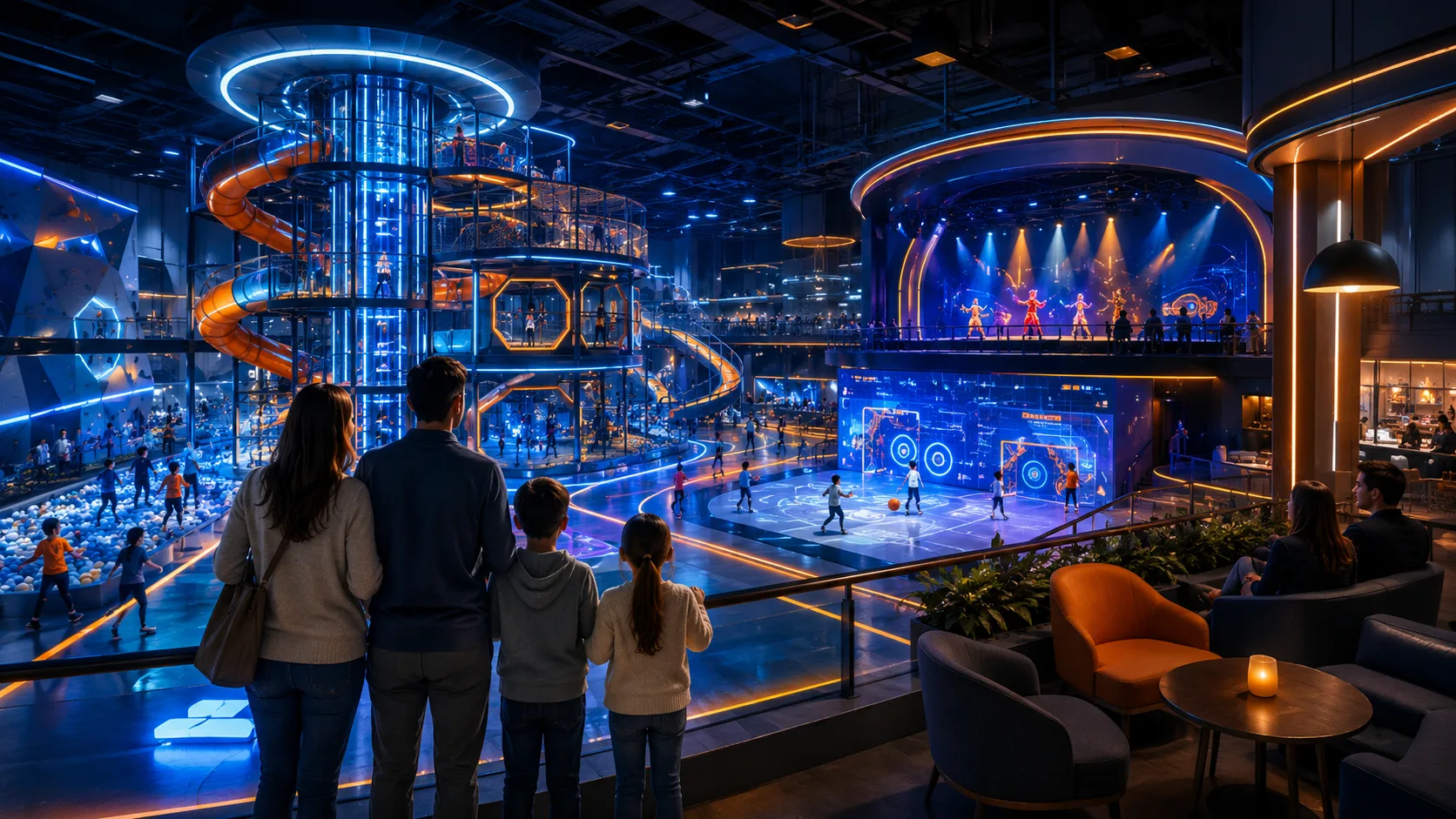
Older children and teenagers need intensity. Higher climbing walls, more challenging courses, competitive elements, and social spaces appeal to this age group. They want to test themselves and interact with peers.
Effective age zoning also improves capacity management. When each zone is designed for a specific age group, it is easier to monitor usage, prevent overcrowding, and ensure that equipment is used appropriately.
Parents appreciate age zoning because it addresses their primary concern: safety. A parent with a two-year-old does not want their child sharing a trampoline area with ten-year-olds. Separate zones eliminate this anxiety.
The business case for age zoning is also strong. Parks that serve multiple age groups effectively have a wider addressable market. A family with children of different ages can visit together, with each child enjoying appropriate activities.