From Playground to Experience Park
Traditional playgrounds were built around one simple idea: children need space to move. Swings, slides, and climbing frames served this purpose well for decades. But the expectations of modern families have changed dramatically.
Today, children grow up with technology, creativity tools, and social media. They expect environments that are visually exciting, varied, and engaging on multiple levels. A simple climbing frame is no longer enough to hold their attention for hours.
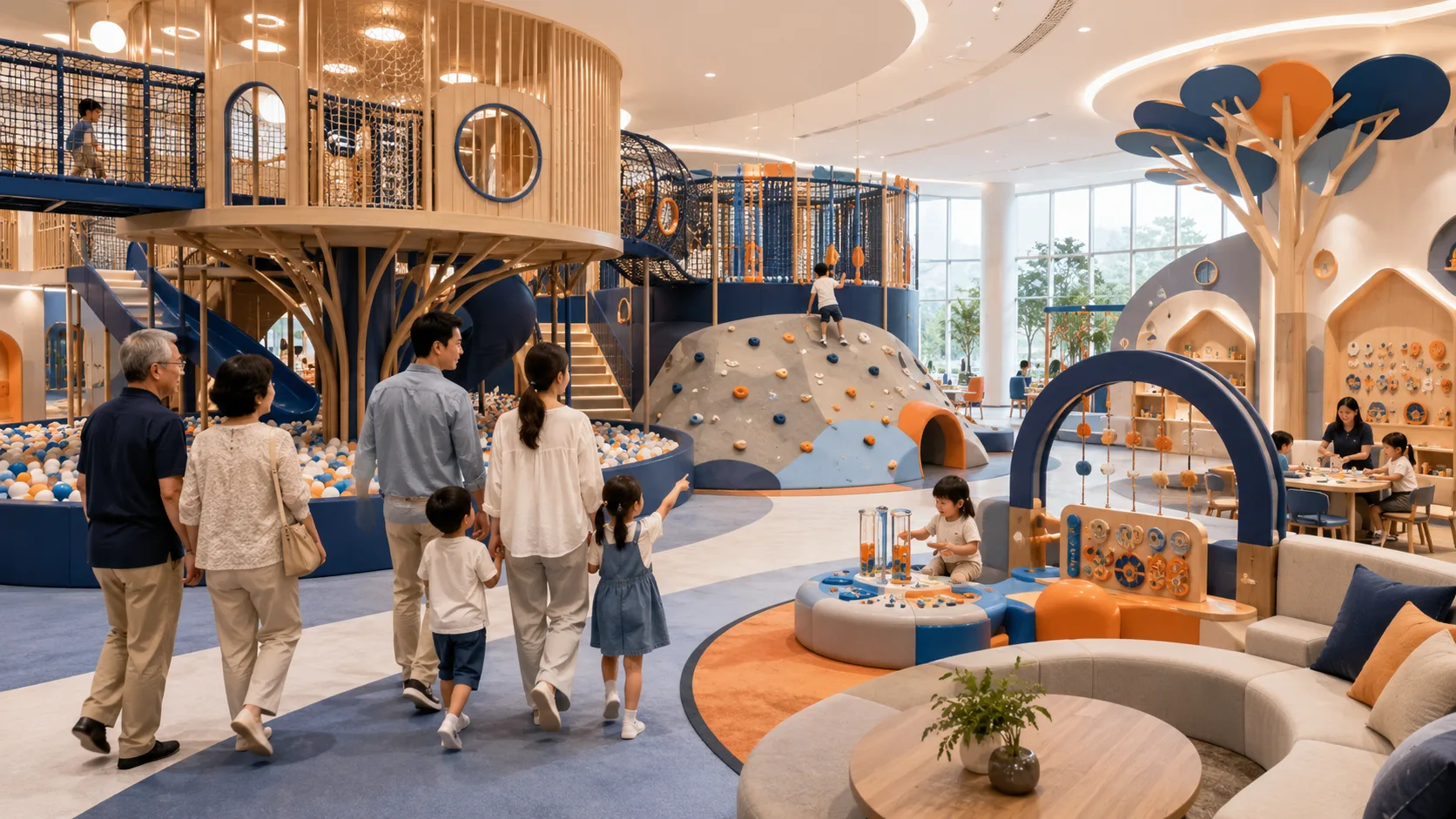
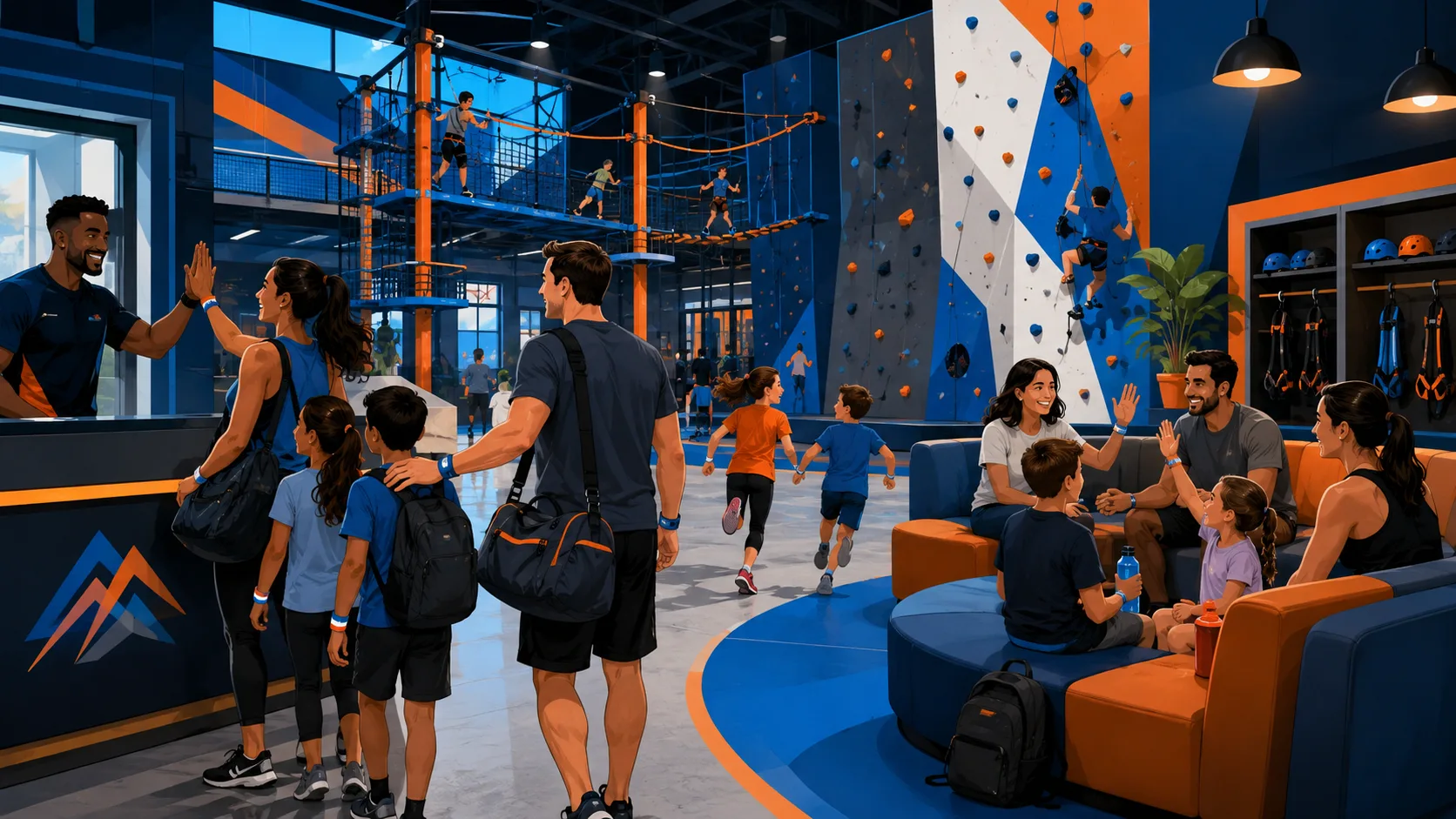
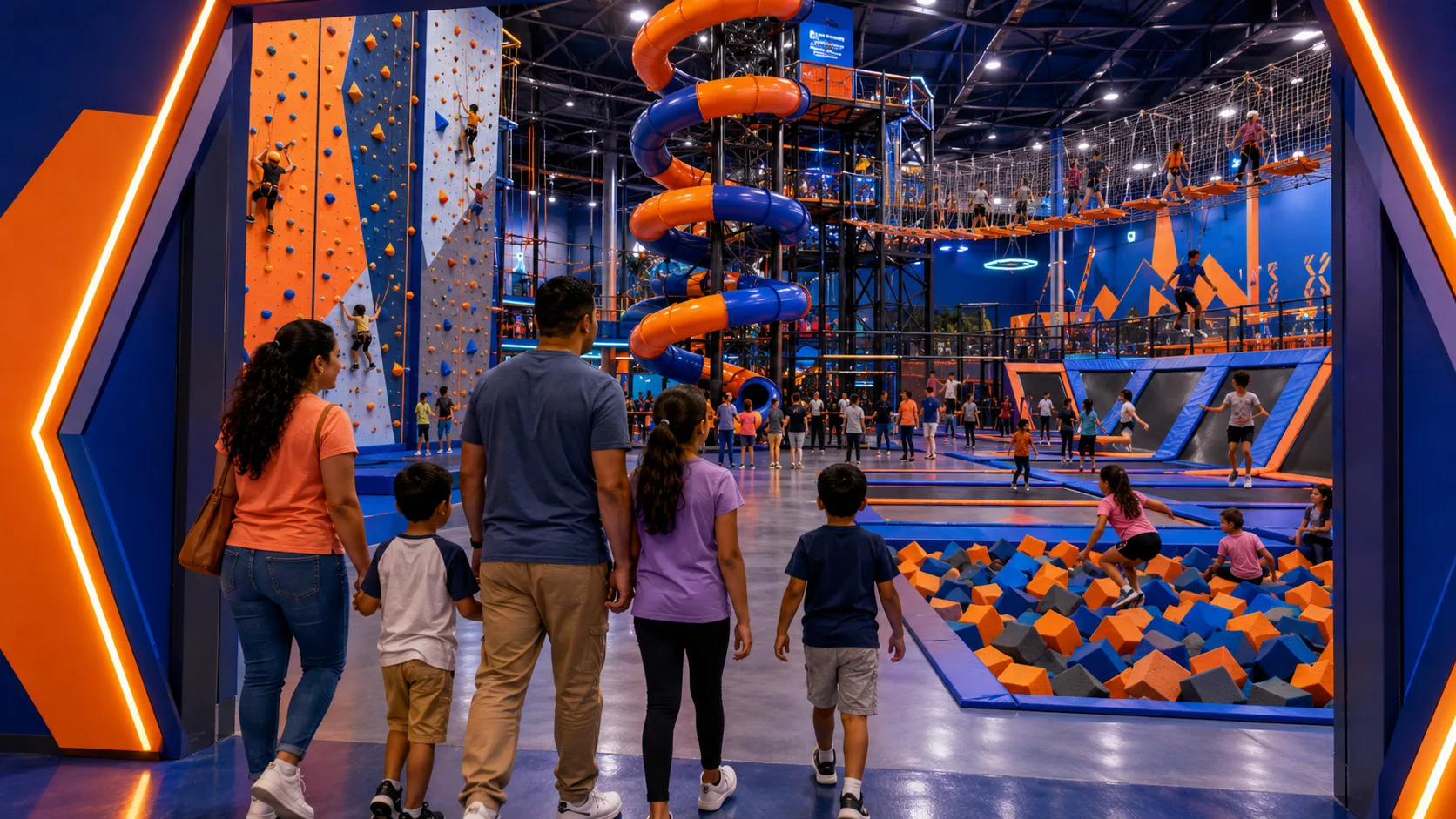
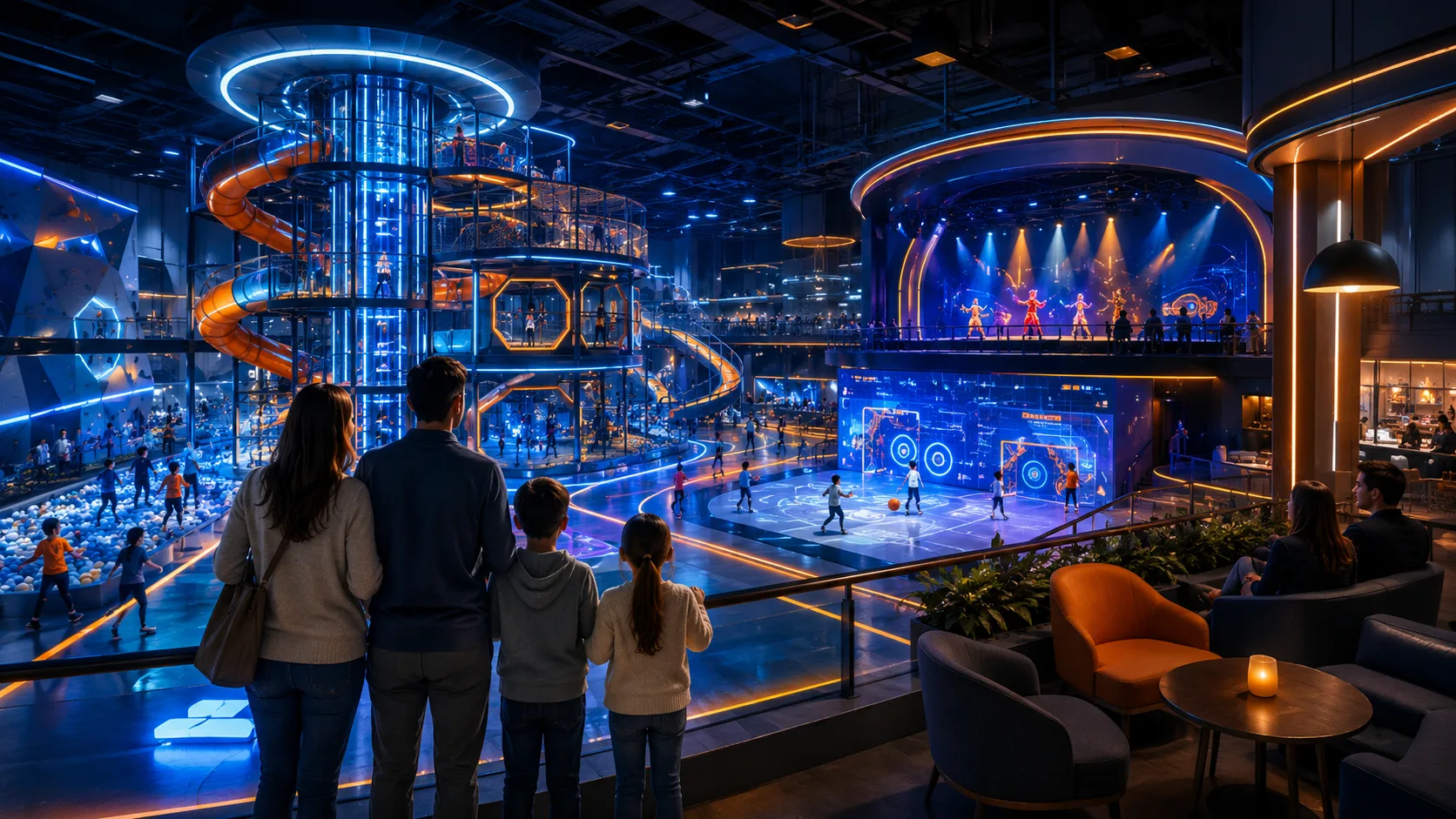
Modern activity parks respond to this by creating complete experience environments. Instead of one type of play, they offer zones for physical activity, creative expression, digital interaction, and social engagement. Each zone is designed to appeal to different age groups and interests.
The design philosophy has shifted from "provide equipment" to "create experiences." This means thinking about lighting, music, theming, staff interaction, and the flow of movement through the space. Every detail contributes to how a family feels during their visit.
The transition from playground to experience park also changes the business model. Experience parks can charge premium pricing because they deliver premium value. Families are willing to pay more for an environment that keeps children engaged and happy for several hours.
For park designers and operators, this evolution requires a different approach to planning. It is no longer enough to fill a space with equipment. The challenge is to create a journey, a narrative, and an atmosphere that makes every visit feel special.
The best experience parks are designed so that children want to come back, and parents are happy to bring them. This combination of child excitement and parent satisfaction is the foundation of a successful modern activity park.