Turning Retail Space into Family Traffic
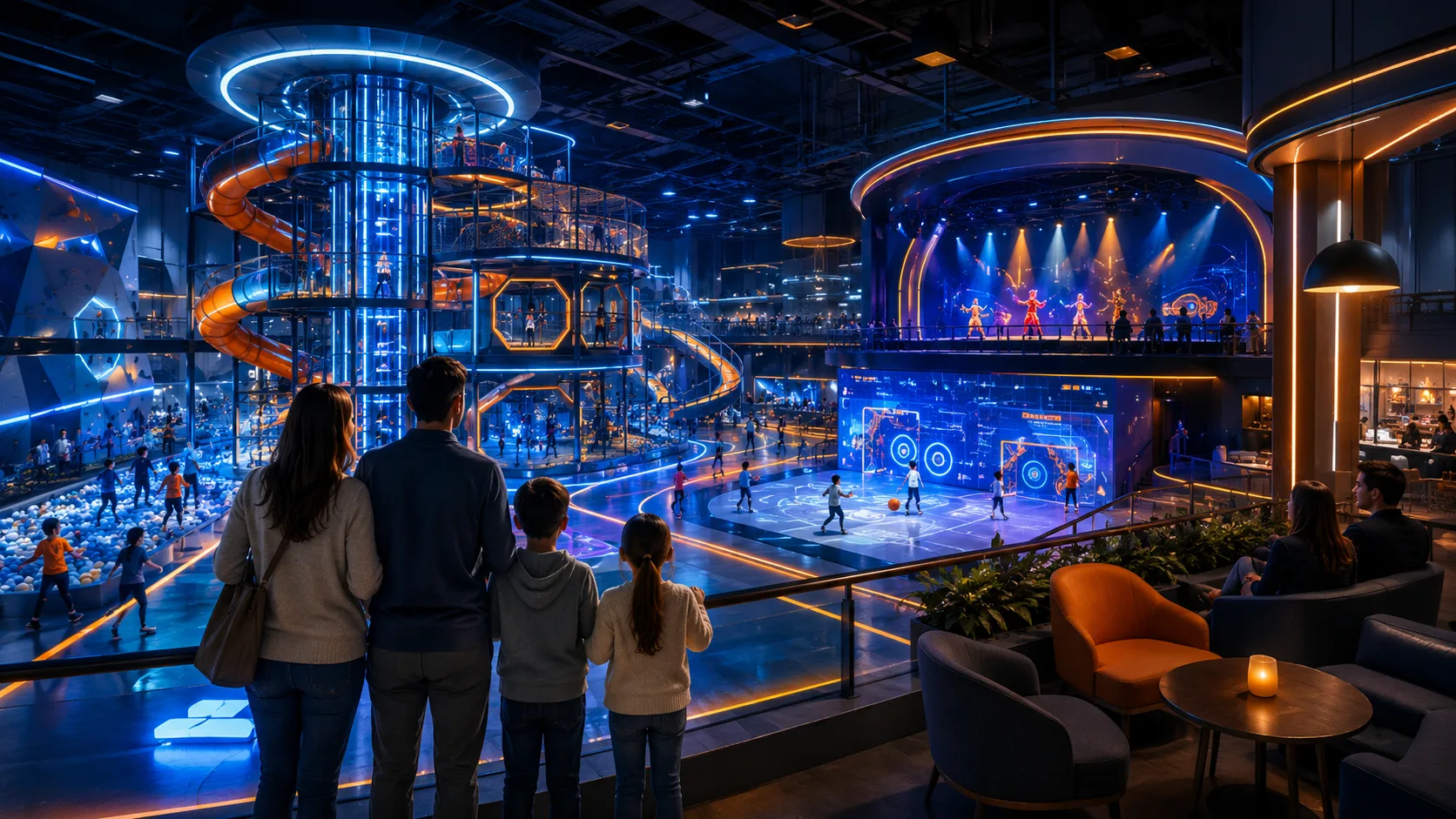
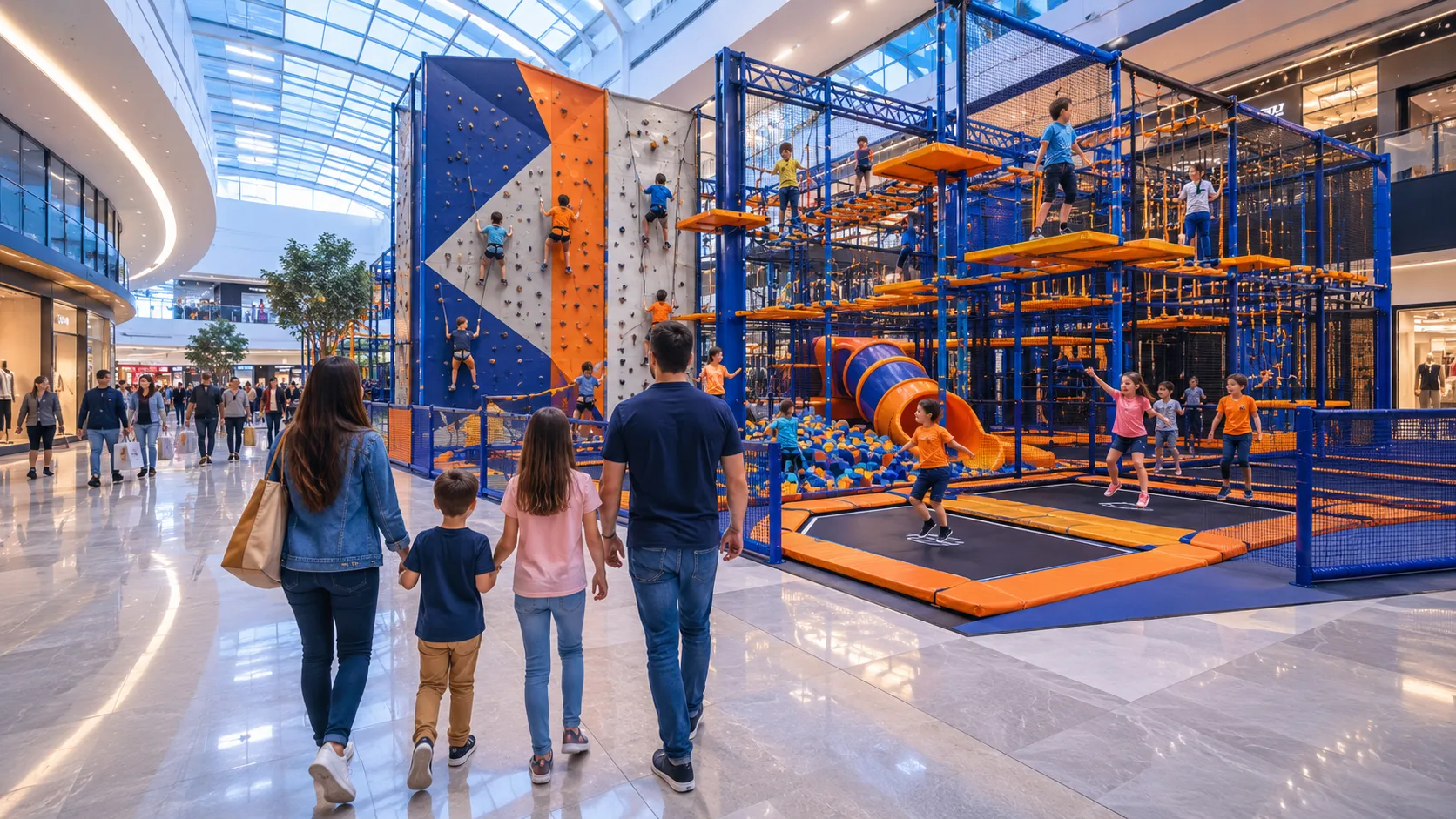
Shopping centers need new reasons for families to visit regularly. Traditional retail alone is often not enough to create strong foot traffic in an age of online shopping. Activity parks can help solve this problem by providing a destination that draws families back week after week.
The data supports this approach. Shopping centers with well-operated family entertainment tenants consistently report higher overall foot traffic compared to similar properties without such anchors. The effect extends beyond the park itself, benefiting food courts, retail stores, and service providers in the center.
For landlords, an activity park tenant offers several advantages. These tenants typically sign longer leases, invest significantly in their fit-out, and generate consistent traffic patterns that benefit the entire property.
The key is selecting the right operator. Not all activity parks are equal. The best operators bring professional management, strong brands, proven concepts, and financial stability. They treat the relationship with the landlord as a partnership.
Location within the center matters too. Activity parks perform best when they are easy to find, visible from main corridors, and accessible to families with strollers and young children. Ground floor or lower level locations with separate entrances often work well.
The shift from pure retail to mixed-use destinations is accelerating. Shopping centers that adapt by including family entertainment, food experiences, and community spaces position themselves for long-term success.
For investors in both real estate and entertainment, this convergence creates opportunities. The parks need the space and traffic that shopping centers provide. The shopping centers need the foot traffic and dwell time that parks create.