Why Physical Play Still Matters
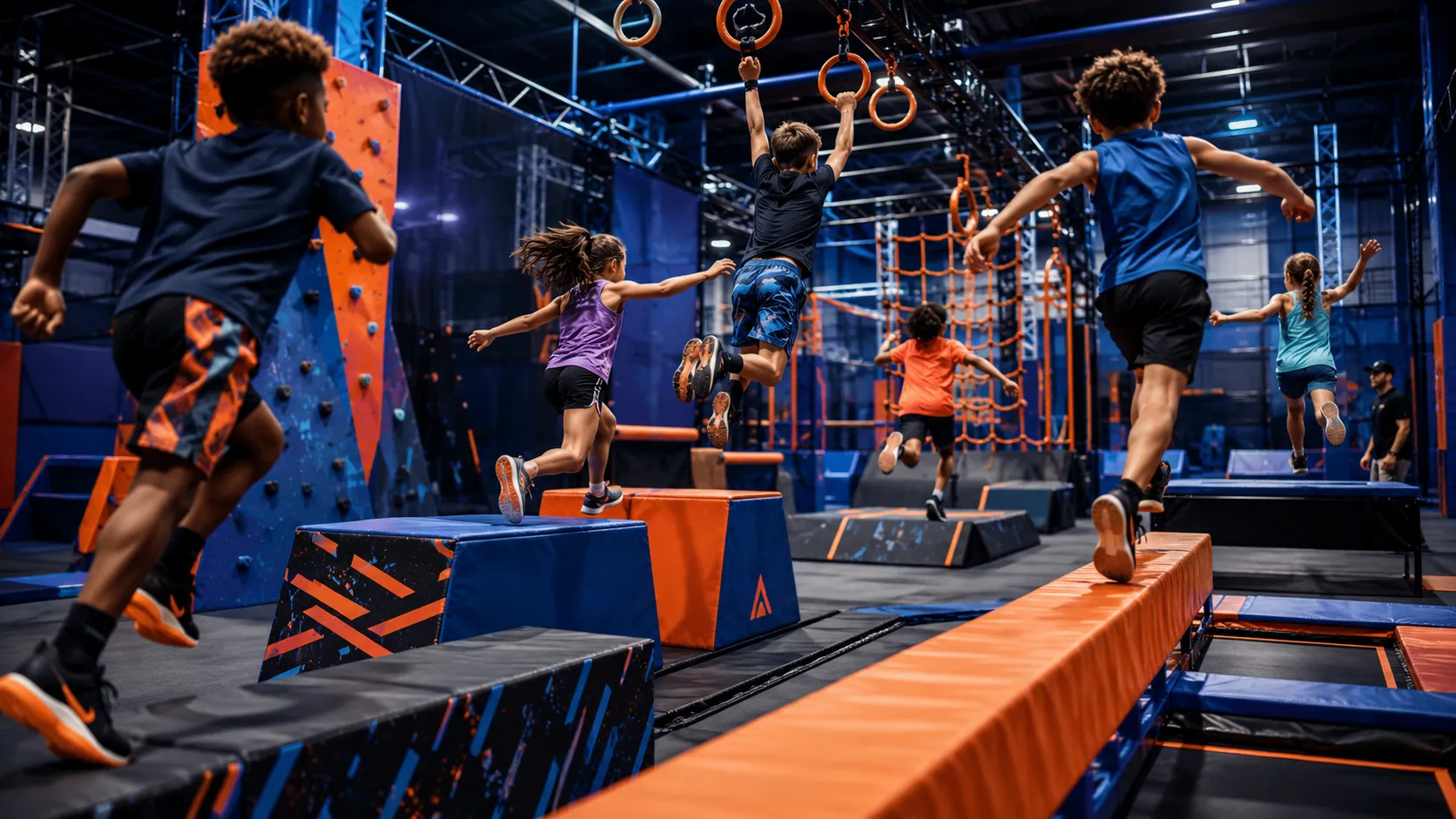
Children live in a world filled with screens, schedules, and structured activities. That makes physical play more important than ever. Running, climbing, balancing, and jumping help children develop coordination, confidence, and resilience.
Research from pediatric health organizations consistently shows that children need at least 60 minutes of moderate to vigorous physical activity every day. Yet many children fall short of this target, especially in urban environments where outdoor play space is limited.
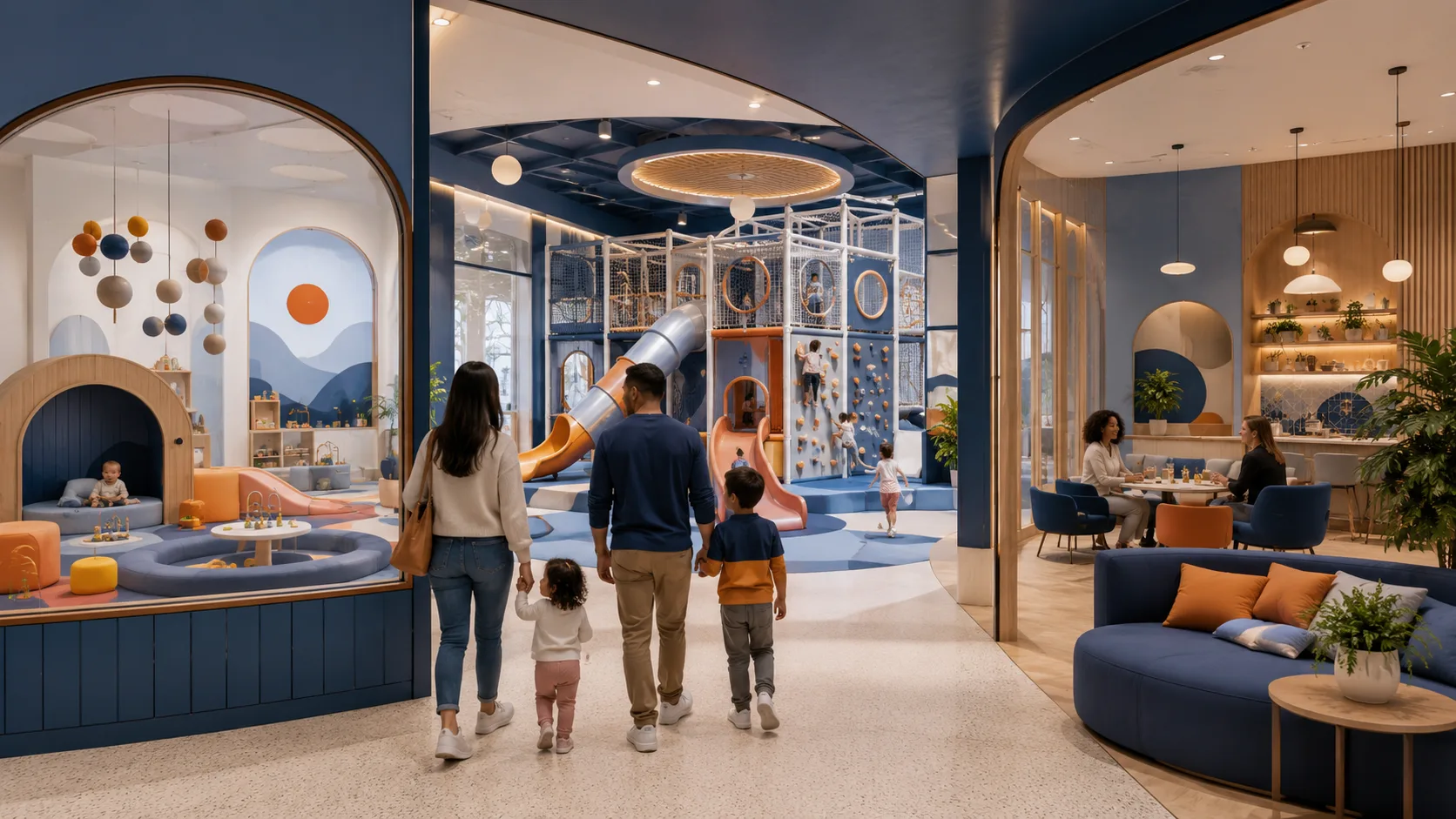
Activity parks fill this gap. They provide safe, supervised environments where children can move freely, take risks, and challenge themselves physically. The variety of activities available, from trampolines to climbing walls to ninja courses, ensures that children of all abilities can find something that excites them.
Physical play is not just about exercise. It teaches children to assess risk, manage fear, and develop body awareness. A child who learns to climb a wall or balance on a beam is building skills that transfer to many other areas of life.
Parents increasingly understand this. They see the difference in their children after a visit to an activity park: the improved mood, the better sleep, the increased confidence. This understanding drives repeat visits and creates loyal customers.
For park operators, the message is clear. Physical play is not a commodity. It is a vital part of childhood development, and parks that deliver it well, in safe, clean, and exciting environments, will always have strong demand.
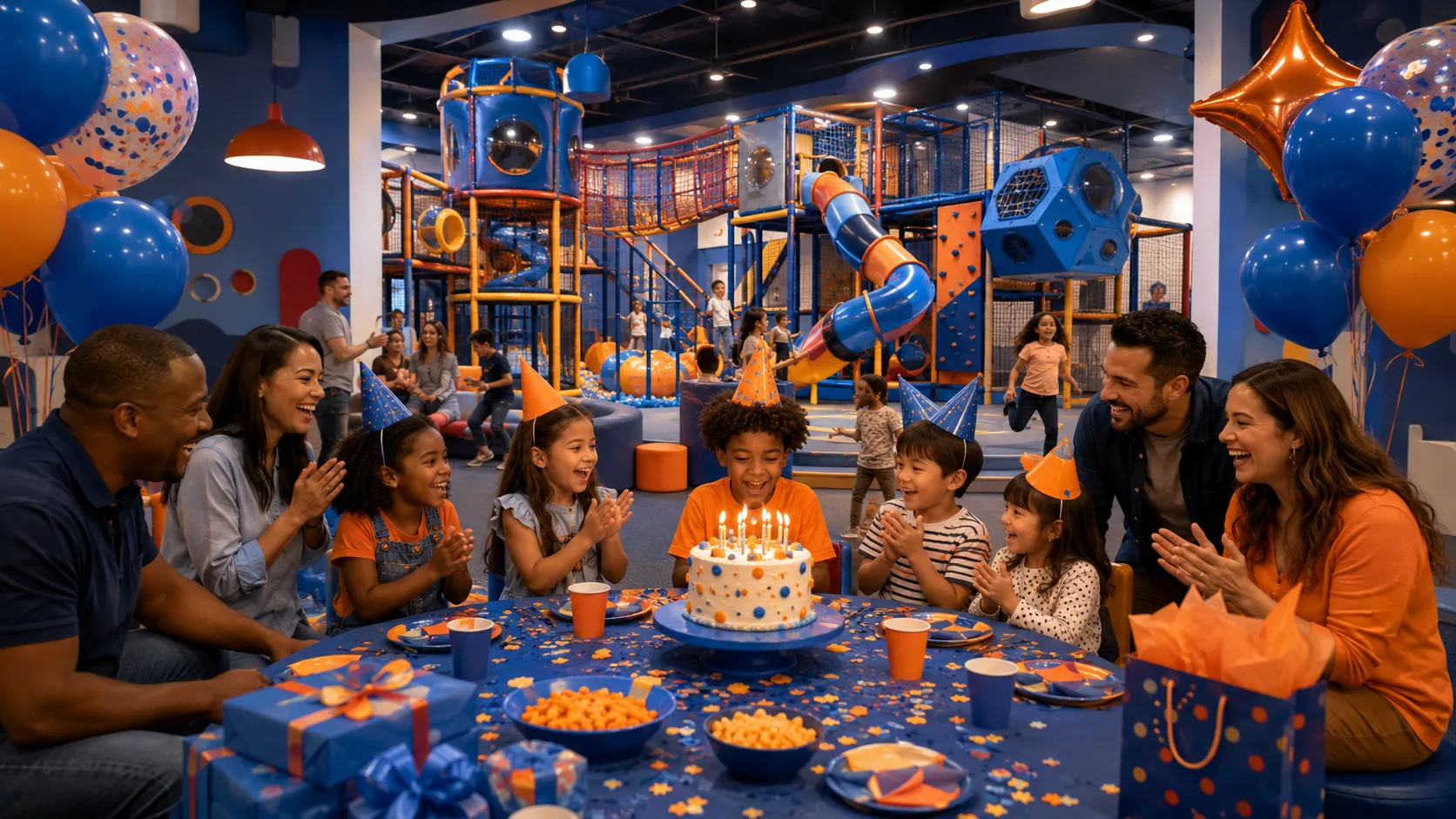
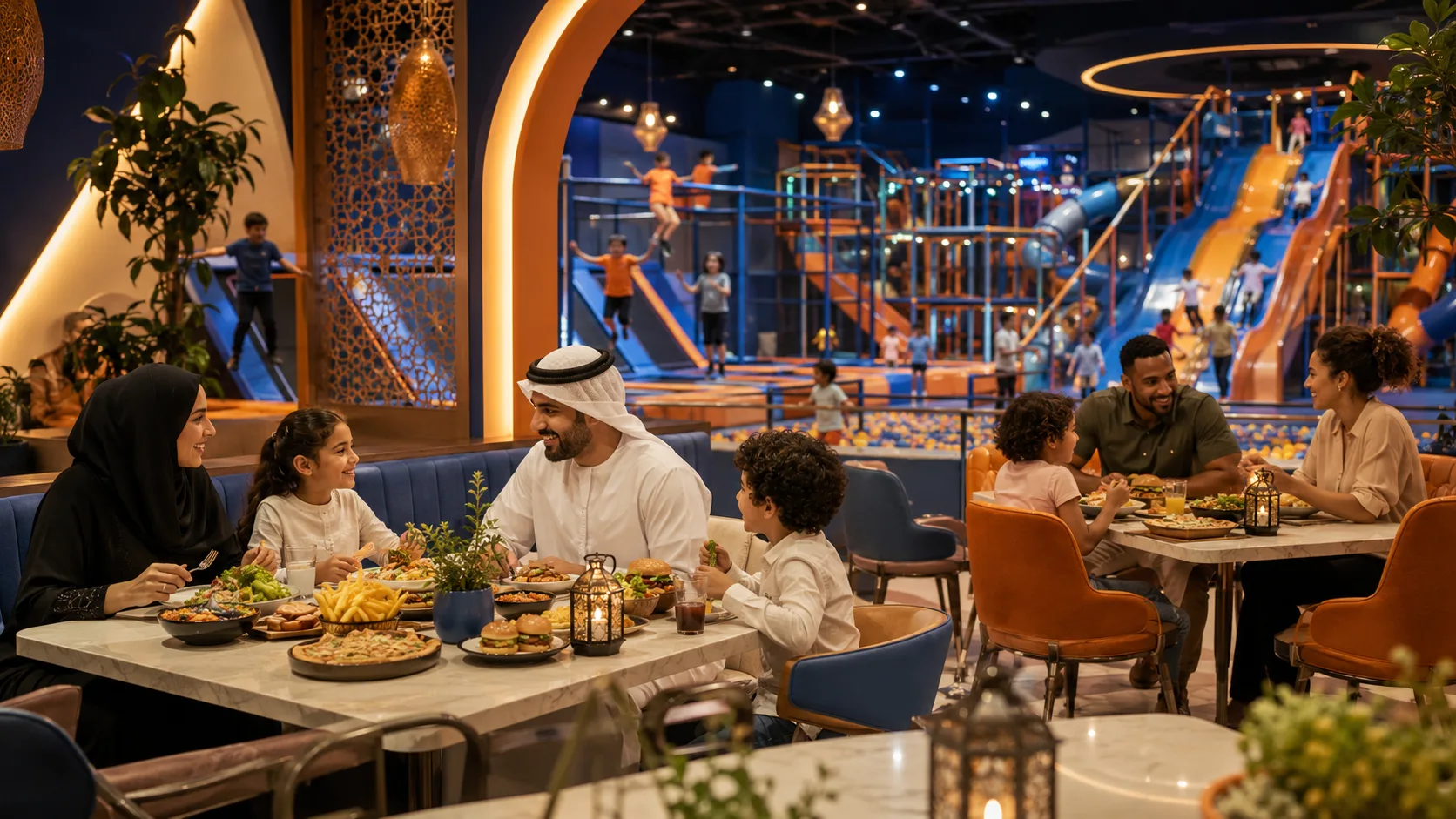
The best parks combine physical play with other experiences, creating an environment where children are active, creative, and socially engaged all in the same visit.