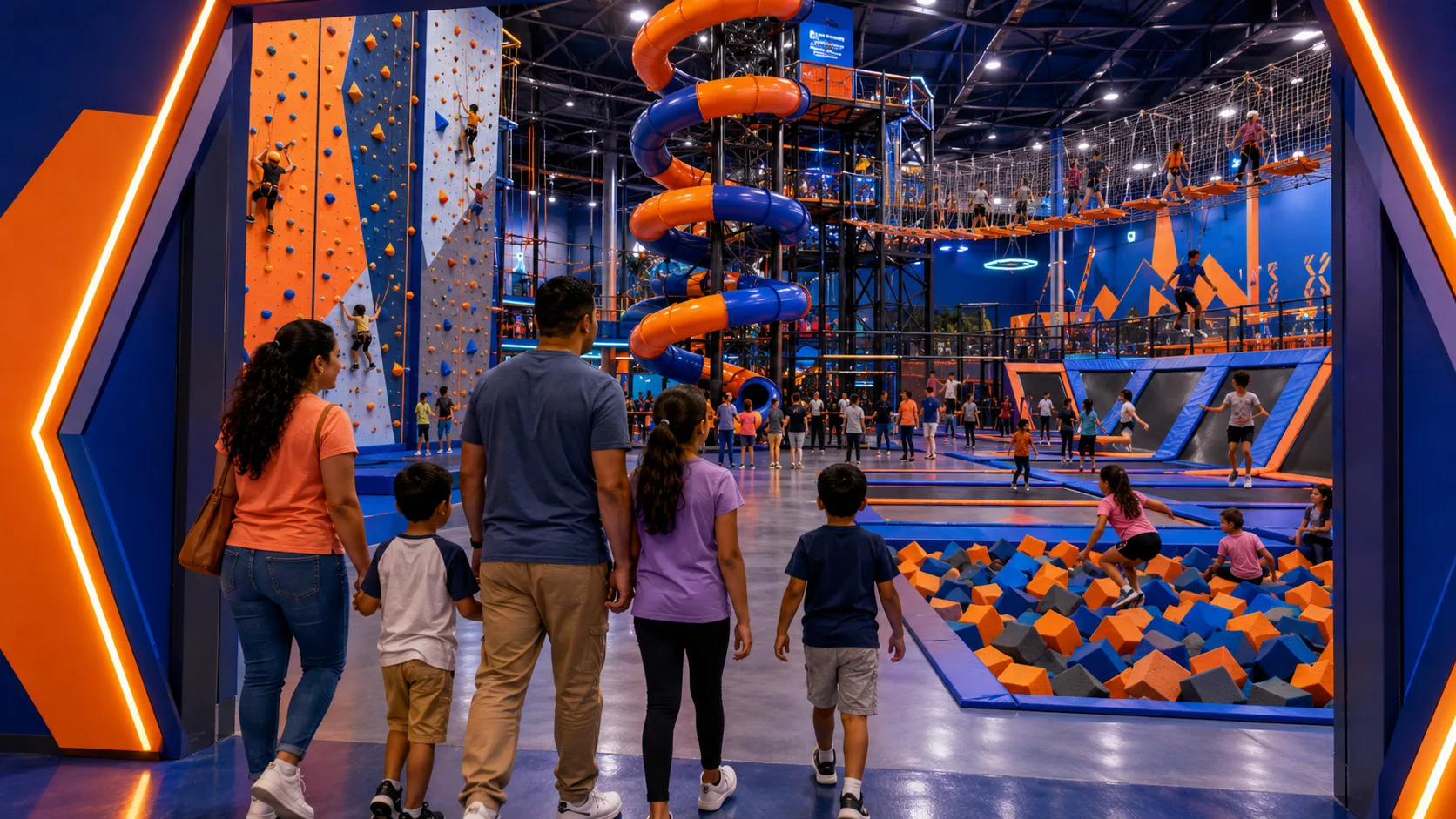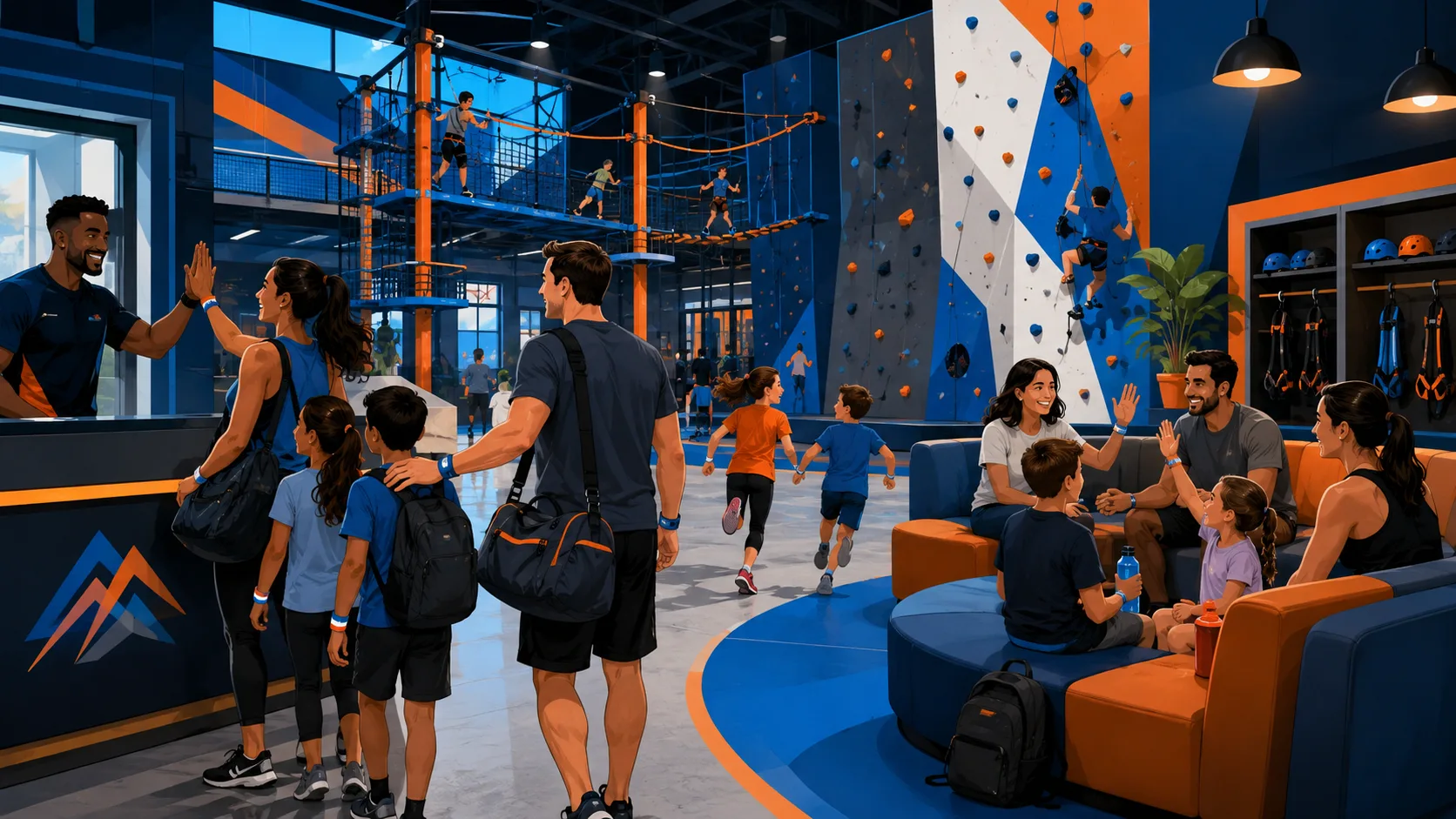
Why Activity Parks Belong in the Future of Real Estate
Real estate is changing. Shopping centers and mixed-use developments need tenants that create traffic, time on site, and emotional connection. Activity parks are uniquely positioned to play this role in the future of commercial real estate.
The shift from product-focused retail to experience-focused destinations is well documented. Shopping centers that rely solely on traditional retail tenants face increasing pressure from e-commerce. Entertainment tenants provide something that online shopping cannot: physical, social, shared experiences.
Activity parks are among the strongest entertainment tenants for several reasons. They attract families, one of the highest-spending demographic groups. They generate consistent, predictable traffic patterns. They drive repeat visits throughout the year.
The co-tenancy benefits are significant. A family visiting an activity park typically spends additional time in the shopping center. They eat meals, browse stores, and use services. This "halo effect" benefits landlords and neighboring tenants.
For real estate developers, including activity park space in new developments is becoming standard practice. The presence of a quality family entertainment anchor can increase the overall value of a property by making it more attractive to other tenants and visitors.
The financial stability of well-operated activity parks also appeals to landlords. These tenants typically invest heavily in their fit-out, commit to long lease terms, and maintain their spaces to high standards.
As real estate continues to evolve, the tenants that create the most value will be those that bring people together, create memories, and give families reasons to visit regularly. Activity parks do all three.